Farm Kids Have Less Allergies
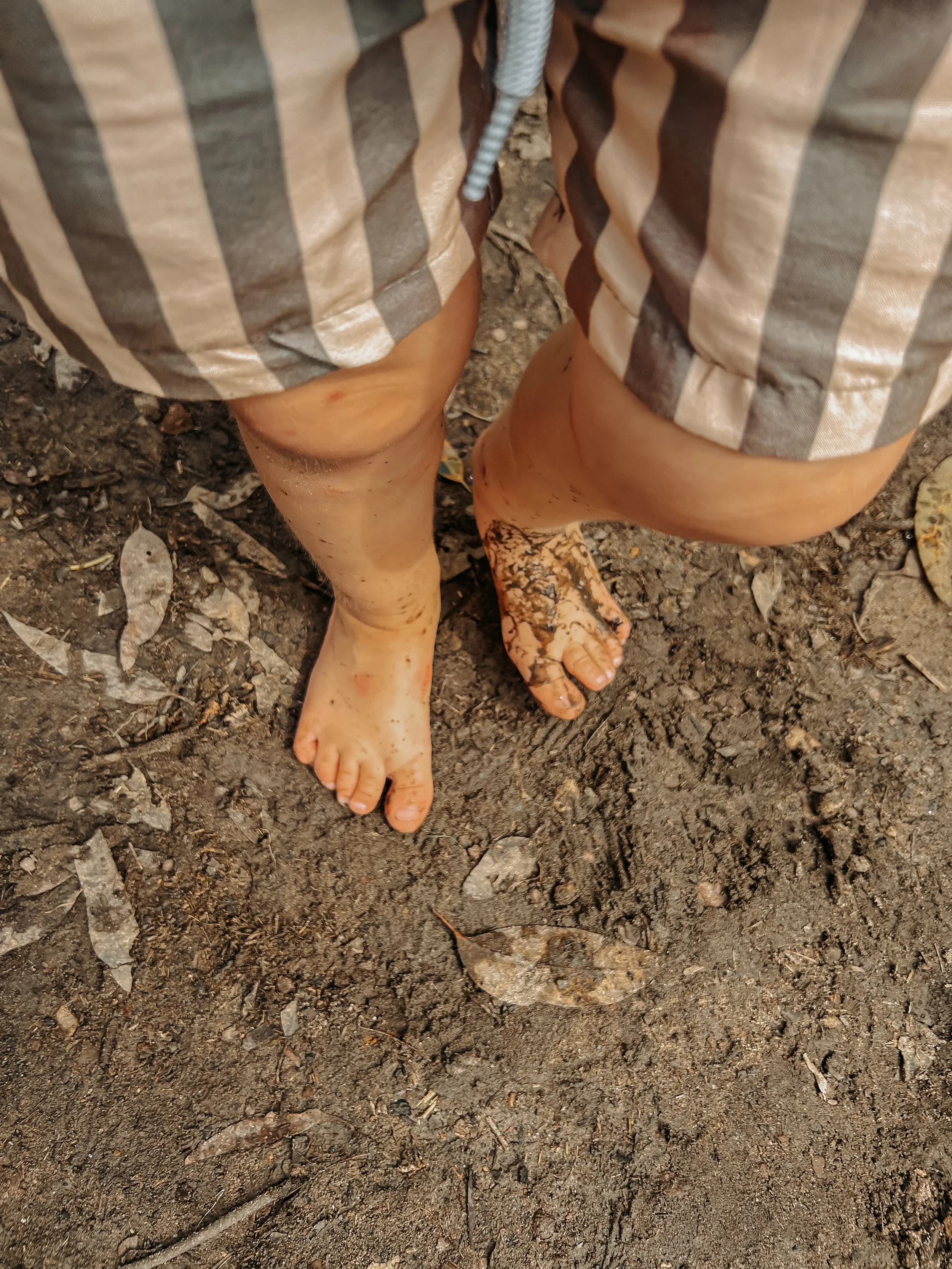
Children who grew up on farms have far less allergies, cases of eczema, respiratory infections, asthma, and overall better immune response than children who grew up in suburban areas.
Let’s explore this further.
Have you ever seen a farm kid pull a strawberry straight out of the dirt and eat it and wondered if that is okay for them to do? Research is telling us it may actually be better than fine. It might be the kind of thing that is helping them grow a healthy strong immune system.
A study out of rural Wisconsin looked at over 500 children between the ages of 5 and 17, comparing kids who were raised on dairy farms from birth through age five to kids who grew up in similar rural communities but without farm exposure. The results added interesting evidence to something scientists call the "hygiene hypothesis”. This is the idea that early exposure to the everyday microbes of a farm (barn dust, animals, soil, the whole messy ecosystem) helps train a young immune system to behave itself.
What the research found:
The differences between farm-raised kids and non-farm-raised kids were significant.
Eczema and skin rashes were far less common in farm kids (6.8% vs. 19.5%).
Allergic rhinitis (hay fever), confirmed by medical records, was less than half as common (5.2% vs. 12.4%).
Severe respiratory illness in early childhood was roughly cut in half, whether measured by parent recall (15.7% vs. 31.4%) or by actual medical records (6.8% vs. 17.6%).
Even after researchers statistically controlled for other factors such as family size, smoking in the home, breastfeeding, family history of allergies, farm exposure still stood out as a protective factor on its own.
Why this might be happening:
The leading theory isn't that dirt is the magic trick. It's that modern life has become too clean, too controlled, and too indoors for how our immune systems evolved to develop. A farm environment naturally delivers a few things that many suburban and urban childhoods don't.
Constant contact with animals and the bacteria that come with them
Time outdoors, in soil, in barns, in weather
A less sterile home environment, with more organic matter tracked in and around
Fewer group indoor settings in the earliest years, which may mean less exposure to concentrated illness but also, researchers suspect, more exposure to a broader and more "natural" microbial mix
The idea is that this kind of early immune "practice" may support better antiviral defenses and a more measured, less trigger-happy allergic response down the line.
What does this mean for the rest of us who are not living on a farm??
Most families aren't going to move to a dairy farm, and that's okay. You don't need 40 acres and a barn to borrow a few of the same principles. Based on what this research points to (and the broader hygiene hypothesis it builds on), here are a few realistic ways to bring some "farm" into suburban life:
Let them get dirty. Resist the urge to wipe down every hand after every patch of dirt. Digging in the garden, playing in mud, building sandcastles, this everyday exposure is a key feature, not a problem to solve.
Consider a pet. Indoor pets were strongly associated with better outcomes in this study. A dog or cat isn't just a love bug.. it's a walking, shedding source of the microbial diversity your child's immune system may benefit from.
Ease up on the sterilising. Antibacterial everything, wipes for every surface, hand sanitiser on repeat, it's worth asking whether some of that is more habit than necessity. A normally clean home doesn't need to be a constantly sterile one.
Get outside, often. Fresh air, soil, grass, weather. Time outdoors exposes kids to a richer environment than time indoors ever will, regardless of how nice the indoor toys are.
Let there be sunshine. Vitamin D is known to support a healthy immune response, but beyond vitamin D, plain old outdoor time seems to be part of the broader package of "natural" childhood exposure that this research is circling around.
None of this means throwing caution to the wind. Good hygiene still matters, especially around genuine illness. But the takeaway from this kind of research is refreshingly simple: a childhood that's a little messier, a little more outdoors, and a little more animal-adjacent might be doing more for your kid's long-term health than an immaculate one ever could.
Based on findings from a study conducted in the Marshfield Epidemiologic Study Area (MESA) in rural Wisconsin, comparing early-life farm exposure to respiratory illness and allergic disease outcomes in children.